Lawn Mowing in London

Keep your lawn neat, even and presentable with lawn mowing in London. We focus on regular cutting that supports healthy growth, tidy edges and a finish that suits front gardens, back lawns, communal spaces and other managed outdoor areas. The service is straightforward: grass is cut to the agreed height, clippings are handled sensibly, and the result is a cleaner, more usable lawn that looks cared for without unnecessary fuss.
For customers who want more than a quick cut, our mowing service can sit alongside broader garden upkeep, including garden maintenance and seasonal refreshes. That allows the mowing to work as part of a wider plan rather than as an isolated task. Whether the lawn needs a one-off tidy or a recurring schedule, the aim is to keep the grass manageable, presentable and consistent through changing weather and growing conditions.
Use this page to understand how the service is structured, what affects the work, and which related options may be useful. If you are looking for a quotation, you can make a plain enquiry at any time and request the mowing support that fits your garden, access and preferred level of finish.
Routine mowing and grass cutting
Regular mowing is the core of a healthy-looking lawn. Cutting the grass at sensible intervals encourages a more even appearance and helps avoid the shaggy, uneven look that can build up quickly in busy households or shared outdoor spaces. We can support simple weekly or fortnightly upkeep, as well as less frequent visits where the grass growth is slower. The service is practical rather than decorative: it is about keeping the lawn in manageable condition and maintaining a tidy boundary to the garden.
Many properties benefit from a steady routine because the lawn is only one part of the wider outdoor space. Where the surrounding garden also needs attention, you may find our grass cutting service page useful for a narrower focus on the cutting task itself, while gardening services is a broader option for customers who want the lawn work to sit within general garden care. This makes it easier to choose the right scope for your property without adding work you do not need.
Typical mowing work can include the grass itself, the finish around borders, and the attention needed to keep the cut consistent across the main lawn area. The details vary from garden to garden, especially where the lawn has tight access, sections split by paths, or edges that need care around planting beds. A sensible mowing plan keeps the lawn looking intentional rather than overworked, and it gives you a clear basis for deciding whether the task is occasional, ongoing or seasonal.
Working around the shape of your garden
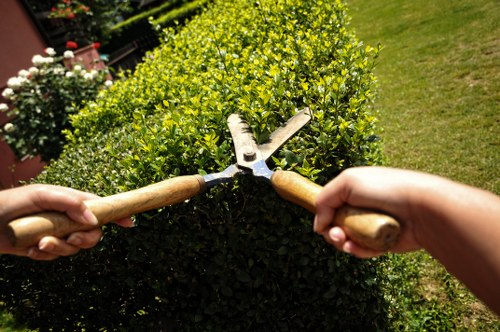
Every lawn has its own layout, and good mowing takes that into account. Narrow side returns, awkward corners, steps, garden furniture and planted borders can all change how the cut is completed. A tidy result depends not only on the machine used, but on how the work is planned around these features. Where the garden has an irregular shape, the approach is usually to work carefully section by section so that the finish stays even and the edges remain sensible.
Some lawns need attention after periods of fast growth, while others may simply want regular neatness. In either case, the cutting method should suit the grass condition rather than forcing one standard pattern onto every space. If your property also needs help beyond mowing, services such as garden services and gardener services may be relevant where broader outdoor upkeep is required alongside the mowing. Choosing the right scope can help keep the work efficient and focused.
We aim to keep the experience clear and practical. The more you know about the lawn’s shape and condition, the easier it is to decide on the right service level and whether any additional work is worth including. Short, regular cuts are often the simplest way to keep the garden presentable, but longer grass or more complex layouts may need extra time and a more careful approach. That affects both the workload and the quotation, so it is worth matching the service to the actual garden rather than guessing.
Useful related lawn care options
While mowing is the main focus, some customers need related help that supports the same area of the garden. If the lawn is being established, a turfing service can be useful before regular cuts begin. For those wanting a broader clean-up before or after the grass work, other garden-related pages may help you decide how much of the outdoor area should be included. The aim is not to complicate the process, but to make sure the mowing sits in the right context.
Useful related pages include lawn turf installation for new grass surfaces, garden clearance for heavier outdoor tidying, and landscaping where lawn work forms part of a wider redesign or reworking of the garden. Not every project needs these additions, but they are sensible to consider if the grass area is only one part of a larger improvement. In many cases, a modest and well-cut lawn is enough; in others, extra preparation makes the result more reliable.
When choosing related work, it helps to separate what is essential from what is optional. A customer may only need the lawn cut and trimmed, or may want to pair mowing with edging, clearance or surface renewal. That distinction matters because it keeps the quotation clear and helps avoid paying for work that does not add value. If you are unsure, a simple enquiry is usually enough to set out the main requirements and decide what belongs in the job.
What a mowing visit can include

A mowing visit is usually most useful when it covers the visible finish as well as the grass height itself. That can mean working around the edges, checking the cut is even across the lawn, and handling the debris left by the process in a sensible way. The precise scope should always reflect the condition of the grass, the access to the garden and whether the lawn is being maintained regularly or restored after a gap. A good result is tidy, consistent and suited to the space.
If you have other surfaces that need separate attention, different service pages may be more relevant. For example, hedge trimming is useful where the lawn sits beneath overgrown boundary planting, while garden decking service may matter where the outdoor layout includes a deck alongside grassed areas. These are not part of mowing itself, but they can influence the overall look and use of the garden. Keeping each element distinct makes it easier to plan the work properly.
Some customers prefer a very simple cut, while others want the grass area to look fully finished. In practical terms, this can mean deciding whether the job is just a mow, or a mow plus more careful edge treatment and related tidy-up. The best outcome comes from agreeing the level of finish in advance, especially if the lawn has been left longer than usual. That keeps expectations realistic and makes the quote easier to understand.
How to prepare for a quotation
A clear quotation starts with a clear description of the lawn. It helps to know the approximate size of the grass area, whether access is straightforward, and whether the garden contains slopes, narrow paths or obstacles. If the lawn is shared, or if there are multiple sections to cut, that should be explained as well. These details do not need to be complicated, but they do help us judge the likely effort and the right service scope.
In many cases, a few practical notes are enough to begin. If the garden has areas that should be left untouched, or if there are times when access is limited, include that information in your enquiry. You can also check whether pricing and quotes is the best page for your next step, especially if you want to compare the factors that shape the work before asking for a price. A well-prepared enquiry saves time and avoids back-and-forth.
Useful details normally include whether the lawn has been maintained recently, whether clippings should be removed or left in place, and whether any part of the garden needs special care. We do not need a long explanation; a concise summary is usually enough. The more accurate the information, the easier it is to provide a quotation that matches the actual job. That is often better than giving a broad estimate based on incomplete information.
About London
London is a large and historically layered city on the River Thames, with origins that stretch back to the Roman settlement of Londinium. Its growth has been shaped by the river, trade, government, migration and repeated rebuilding after fires, war damage and redevelopment. The city now contains a dense mix of civic buildings, residential streets, markets, parks and business districts, with each part contributing a different texture to the whole. Central London includes long-established institutions and ceremonial places, while outer districts often feel far more suburban, with tree-lined streets, garden squares and local high streets sitting beside busy transport corridors. The architecture is equally varied: medieval survivals, Georgian terraces, Victorian civic buildings, modern towers and contemporary public spaces all appear within relatively short distances of one another. Green spaces are an important part of city life, from the large royal parks such as Hyde Park, Regent’s Park and Richmond Park to smaller commons and local gardens spread across the boroughs. The Thames remains a defining feature, crossed by historic and modern bridges and lined in places by embankments, wharves and riverside paths. Cultural life is similarly broad, ranging from theatres in the West End to museums, galleries, music venues and neighbourhood festivals that reflect the diversity of the population. Transport has long shaped the city too, from the Underground and overground rail lines to buses and river services, making London a place where movement between districts is built into daily life. Its boroughs each carry their own identity, yet together they form a city that combines long continuity with constant change.
Garden upkeep beyond mowing

Some lawns sit within gardens that need wider attention, and it is often sensible to align mowing with other regular upkeep. A lawn looks better when nearby growth is also managed, especially where borders, hedges or adjacent planting would otherwise make the space feel untidy again very quickly. In those cases, mowing becomes one part of a broader care pattern rather than the only task. That approach can keep the whole outdoor area easier to use and more balanced in appearance.
For customers who want related outdoor work, garden landscapers and landscape gardeners are useful pages where lawn mowing forms part of a larger garden improvement plan. If the space needs more than standard maintenance, these options can be considered alongside the mowing so the final result feels coordinated rather than piecemeal. The exact combination depends on the garden, the budget and the intended finish.
When choosing services, it can help to think about the garden in layers: grass, borders, hard surfaces and structural features. Mowing handles the lawn layer, but it may sit best alongside other services if the rest of the space is also being refreshed. A measured approach is often the most practical one. It keeps the quotation focused on the work that genuinely matters and helps avoid including tasks that are better handled separately.
Frequency, season and value
Mowing needs change through the year because grass growth does not stay constant. In periods of active growth, lawns can require more regular attention to stay neat, while in slower seasons the interval between cuts may widen. The point is not to enforce a fixed pattern, but to match the work to the condition of the lawn. A sensible schedule prevents the grass from becoming too long between visits and makes each cut more manageable.
Different gardens also have different expectations for finish. Some customers simply want the lawn maintained at a sensible length; others prefer a sharper, more polished appearance. Either way, the value of the service lies in consistency, clear edges and a garden that is easier to enjoy. Where the lawn forms part of a larger property presentation, this can be especially important. A tidy cut often changes the feel of the whole outdoor space without requiring major intervention.
If you are comparing options, remember that price is usually shaped by a mix of lawn size, access, condition and how much detail is included. There is no need to overcomplicate the enquiry. A direct explanation of the garden and the required result is enough to start. Ask for the service that suits the grass, not the other way round. That keeps the discussion practical and the quotation easier to assess.
Choosing the right mowing scope

Choosing the right mowing scope is usually about balancing neatness, budget and the condition of the lawn. Some customers only need the central grass area cut, while others want edges, awkward corners and the visual finish around borders to receive more careful attention. The right choice depends on the layout of the garden and how the lawn is used. A simple approach can be perfectly suitable, provided it matches what the space actually needs.
There are also occasions when a lawn is only one part of the job. If the garden includes trees or stumps that affect mowing access, related pages such as tree cutting service or stump removal may be relevant where separate work is needed before the grass can be maintained easily. Those are distinct tasks, but they can influence the mowing plan if they are already affecting the garden layout. It is usually better to consider them early rather than once the grass work has been booked.
If you would like to move ahead, contact us to request a quotation for lawn mowing in London. Tell us what needs cutting, how the garden is arranged and whether you want a one-off visit or ongoing upkeep. A clear enquiry is the quickest way to get the right scope agreed and the work priced appropriately.